Why Choose ECE at ACE?
Established in 2007, the Department of Electronics and Communication Engineering (ECE) at ACE has emerged as a vibrant centre for innovation and academic excellence, expanding its intake of 120 students by the academic year 2024–25. Accredited by both NAAC and NBA, the department blends strong theoretical foundations with practical exposure to prepare students for the rapidly advancing electronics and communication industry.
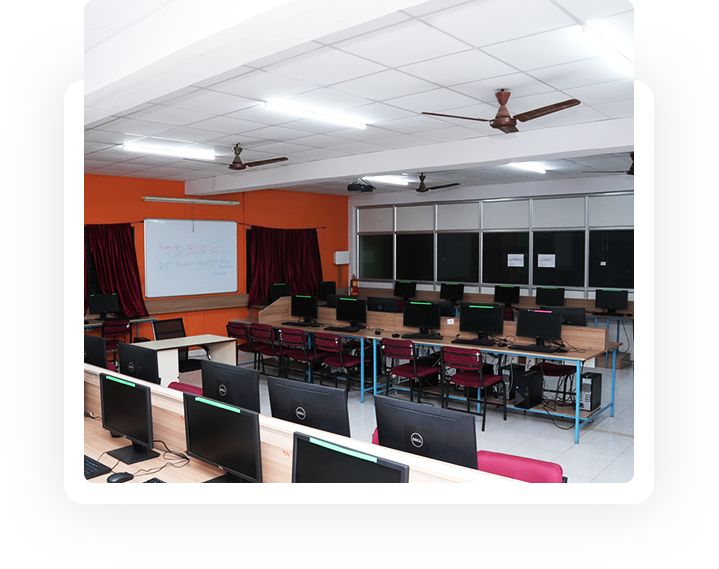
With modern laboratories, simulation tools, and high-speed connectivity, students gain hands-on experience that complements classroom learning. The department runs a focused placement program with regular training, industry tie-ups, and career guidance to ensure students are well-prepared for both core and interdisciplinary job roles. A dedicated faculty team, enriched by both academic expertise and industry insight, fosters a learner-centric environment supported by value-added programs in communication, leadership, and ethics. Through research centers, industry collaborations, and national-level achievements, the department empowers students to lead in electronics, automation, communication, and beyond.
Accreditation


Vision & Mission

Our Vision
To be a centre of excellence in Electronics and Communication Engineering education and research, fostering innovation, entrepreneurship, and global competencies while upholding ethical values and social responsibility.
Our Mission
- Provide quality technical education through industry-aligned curriculum, modern laboratories, and skilled faculty.
- Prepare students for higher education, competitive exams, and successful employment in core and emerging sectors.
- Promote innovation, research aptitude, and consultancy in advanced technologies such as VLSI, IoT, and Embedded Systems.
- Encourage lifelong learning, entrepreneurship, and ethical practices that contribute to sustainable societal development.
Curriculum Syllabus
Program Education Objectives
Program Educational Objectives (PEOs)
1.To prepare the students for successful careers in Electronics and Communication Engineering and to cater the needs of stake holders by providing training to excel in competitive examinations for higher education and employment.
2.To provide students a broad – based curriculum with a solid foundation in Electronics and communication Engineering along with Applied Mathematics & Sciences to impart high quality technical skills for designing , modeling, analyzing and capability for critical problem solving with global competence.
3.To inculcate professional, social, ethical, effective communication skills and entrepreneurial practice among the students for their holistic growth.
4.To provide Electronics and Communication Engineering students with academic environment, and membership opportunities associated with student related professional bodies for multidisciplinary approach and life-long learning.
5.To prepare Electronics and Communication Engineering students to develop research aptitude to carry out research activities in the cutting edge technologies to solve the real time problems and to provide technical consultancy services.
Knowledge and Attitude Profile (WK)
WK1: A systematic, theory-based understanding of the natural sciences applicable to the discipline and awareness of relevant social sciences.
WK2: Conceptually-based mathematics, numerical analysis, data analysis, statistics and formal aspects of computer and information science to support detailed analysis and modelling applicable to the discipline.
WK3: A systematic, theory-based formulation of engineering fundamentals required in the engineering discipline.
WK4: Engineering specialist knowledge that provides theoretical frameworks and bodies of knowledge for the accepted practice areas in the engineering discipline; much is at the forefront of the discipline.
WK5: Knowledge, including efficient resource use, environmental impacts, whole-life cost, reuse of resources, net zero carbon, and similar concepts, that supports engineering design and operations in a practice area. WK6: Knowledge of engineering practice (technology) in the practice areas in the engineering discipline.
WK7: Knowledge of the role of engineering in society and identified issues in engineering practice in the discipline, such as the professional responsibility of an engineer to public safety and sustainable development.
WK8: Engagement with selected knowledge in the current research literature of the discipline, awareness of the power of critical thinking and creative approaches to evaluate emerging issues.
WK9: Ethics, inclusive behavior and conduct. Knowledge of professional ethics, responsibilities, and norms of engineering practice. Awareness of the need for diversity by reason of ethnicity, gender, age, physical ability etc. with mutual understanding and respect, and of inclusive attitudes.
Program Specific Outcomes (PSOs)
- Apply core concepts of electronic circuits, signal processing, and communication systems to design and implement real-time solutions.
- Use industry-standard tools and platforms to develop and test embedded, VLSI, and wireless communication applications.
- Demonstrate ethical and professional responsibility while contributing to societal needs through innovative ECE solutions.
Program Outcomes (POs)
- Engineering Knowledge: Apply principles of electronics, mathematics, and engineering to solve complex problems in communication and embedded systems.
- Problem Analysis: Identify, analyze, and interpret electronics-related challenges using scientific and engineering principles.
- Design and Development of Solutions: Design electronic circuits, systems, and communication protocols considering public health, safety, and environmental factors.
- Investigation of Complex Problems: Use research methods and lab experimentation to analyze complex signals and system behavior.
- Modern Tool Usage: Utilize industry-standard software and tools for simulation, circuit design, and communication system analysis.
- The Engineer and Society: Assess the societal, safety, and legal implications of electronics-based solutions in real-world contexts.
- Environment and Sustainability: Demonstrate awareness of energy-efficient systems and contribute to sustainable electronic design.
- Ethics: Uphold professional ethics and responsibilities in all aspects of engineering practice.
- Individual and Team Work: Effectively work as an individual or team member in multidisciplinary engineering environments.
- Communication: Communicate technical content clearly through reports, presentations, and documentation.
- Project Management and Finance: Apply engineering and management principles to plan and execute projects in electronics and communication fields.
- Lifelong Learning :Adapt to emerging technologies and continue independent learning in the electronics domain.
Faculty & Research










Infrastructure & Labs
The Department of ECE is equipped with advanced facilities to support experiential learning and research. Key labs include
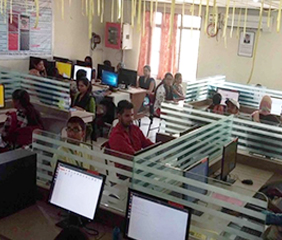
VLSI & Embedded Systems Lab: Hands-on design and testing of microcontroller-based systems and integrated circuits.
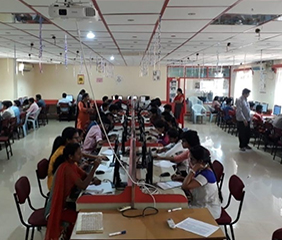
Communication Systems Lab: Simulation and implementation of analog and digital communication techniques.

Signal Processing Lab: Real-time analysis of signals using MATLAB, DSP kits, and other software tools.
IoT Lab: Development of smart and connected systems using sensors, actuators, and microcontrollers.
Project & Research Lab: Dedicated space for final-year and research-driven projects under faculty mentorship.
Placements Highlights - 2021 - 25

72
Campus Interviews Conducted

9
Programs Available for the Students

46.38L
Highest Package 46.38LPA in Amazon

434
Successful Campus Placements
Our Tap Recuiters







Advisory Board Members
Head of the Department
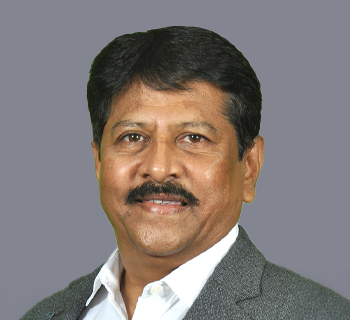
Dr. Y Chakrapani
Professor & HOD of ECE
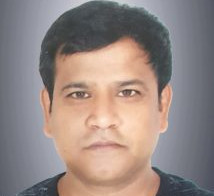
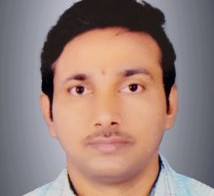
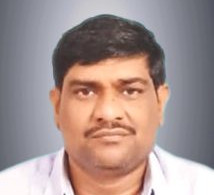
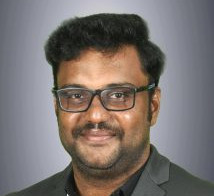
Department faculty
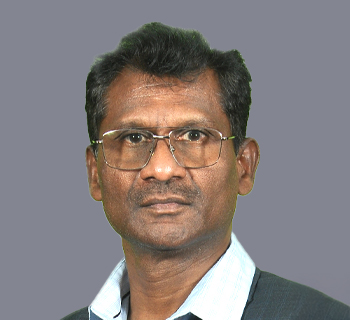
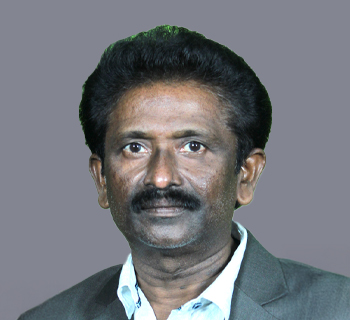
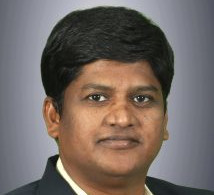
Dr. P.Satish Kumar
Professor
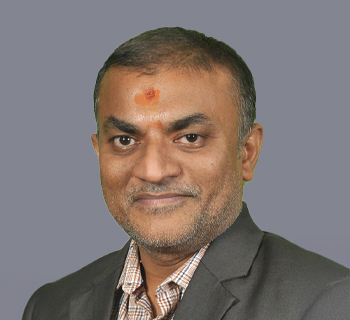
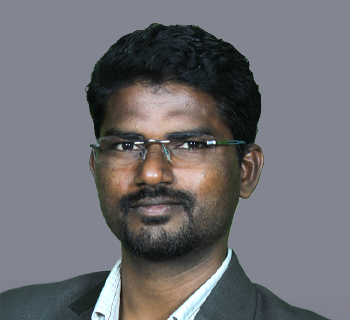
Mr.R Srinivasa Rao
Associate Professor
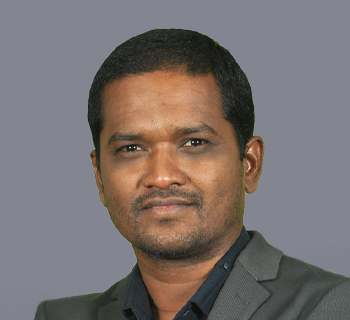
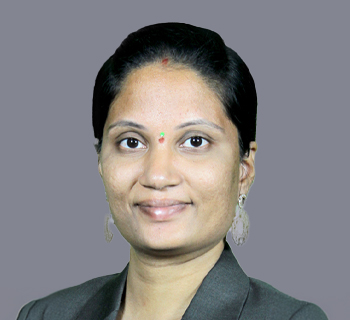
Dr. Murali Malijeddi
Professor
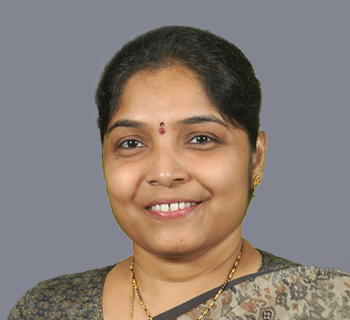
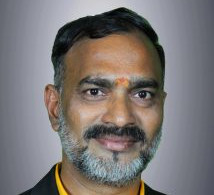
Mr.GPV.Kishore
Associate Professor
Dr A Rajesh
Associate Professor
Students
JLoka Harika Golla
IV ECE
N Deepshika Reddy
III ECE
Bhupender
IV ECE
B Venkatesh
III ECE
Parents
T Venkateswarulu
ZPH School Jadcherla
M Sudhakar
Sr Assistant,Exam Branch,Osmania University ,Hyderabad.
Ravinder Reddy
ACE Engineering Academy, Hyderabad
A Srinivasa Reddy
Engineer,Integrated Clean Room Technologies and Takasago Thermal Engineering Company
Alumni
P.Sai Venkata Ramana
System Engineer, TCS Hyd
M.Yeshawanth Reddy
Accenture, Hyderabad.
NIKHIL Chakka
Software Engineer, Principal Global Services
Hanna Grace T
R & D Engineer,Hyndai R&D , Hyd
M.Sri Harshvardhan Reddy
GENPACT, Hyderabad.
Professional Bodies Members
Prof.A Ravi Kumar
IETE Fellow Life Member of IE, BMESI, Retd chairman of IETE, Hyderabad.
Dr I Sharath Chandra
EC Member IETE
Industry Expert
Dr. M. Chakravarty
Scientist G Group Director Antenna Wing DLRL Hyderabad.
Dr Satya Prasad
DGM,BSNL Visakapatanam
Sampath Kumar Bathini
Senior software engineer,AMD
Dr P Narasimha
Scientist ‘F’,Research Centre Imarat,DRDO,Hyderabad
Employers
Srinivas
ASTRA Microwave Hyderabad
Deveanlla Bala Aditya
Nucleonix Systems Hyderabad
Mr.A.Srikanth Reddy
Project Manager,CynoHub, Hyderabad
Roll Of Honour

Mupparthy Aarthi
R : No : 19AG1A0433
BATCH : 2019-2023
Kanukuntla Sandya
R : No : 20AG5A0404
BATCH : 2019-2023
Polina Varshini
R : No : 19AG1A0440
BATCH : 2019-2023
N Manasaveena
R : No : 20AG5A0402
BATCH : 2019-2023
Karedla Bhavani
R : No : 18AG1A0483
BATCH : 2018-2022
Vaddhiparthy S V S L N Surya Suhas
R : No : 16AG1A0449
BATCH : 2016-2020
Kattera Mallesh
R : No : 16AG1A0420
BATCH : 2016-2020
Medisetty Devikasree
R : No : 16AG1A0431
BATCH : 2016-2020
Komma Sai Swaroop
R : No : 16AG1A0422
BATCH : 2016-2020
Paramkusham Srilekha
R : No : 16AG1A0437
BATCH : 2016-2020
Pavan Singh
R : No : 16AG1A0438
BATCH : 2016-2020
Gurram Niharika
R : No : 16AG1A0480
BATCH : 2016-2020
Mahadevuni Nagarani
R : No : 15AG1A0426
BATCH : 2015-2019
Mohammad Vijaya Sharon
R : No : 15AG1A0452
BATCH : 2015-2019
P Yamini
R : No : 16AG5A0412
BATCH : 2015-2019
Kg Sai Tejaswini
R : No : 15AG1A0438
BATCH : 2015-2019
Chaganti Sai Mahathi
R : No : 15AG1A0406
BATCH : 2015-2019
Dongari Harika
R : No : 14AG1A0401
BATCH : 2014-2018
Kandukuri Manjusha
R : No : 14AG1A0457
BATCH : 2014-2018
Gundlapelly Sai Prasad
R : No : 14AG1A0410
BATCH : 2014-2018
Yellapragada Hari Mounika
R : No : 14AG1A04B3
BATCH : 2014-2018
Ravula Ganesh
R : No : 14AG1A04A7
BATCH : 2014-2018
Sanagala Neha Reddy
R : No : 13AG1A04E8
BATCH : 2013-2017
D Bhavita
R : No : 13AG1A0437
BATCH : 2013-2017
Gunuguntla Vakuladevi
R : No : 13AG1A0464
BATCH : 2013-2017
Korra Himabindu
R : No : 13AG1A0497
BATCH : 2013-2017
D Sneha
R : No : 13AG1A0438
BATCH : 2013-2017
Yedulla Saitejaswini
R : No : 12AG1A04H8
BATCH : 2012-2016
Pulimamidi Mounika
R : No : 12AG1A04E0
BATCH : 2012-2016
K S Charmisha
R : No : 12AG1A0475
BATCH : 2012-2016
Mettu Keerthi Teja
R : No : 12AG1A04B5
BATCH : 2012-2016
Maduku Harika Rao
R : No : 11AG1A0464
BATCH : 2011-2015
Jiguru Achyuth Narasimha Sharma
R : No : 11AG1A0446
BATCH : 2011-2015
Bikkumalla Niveditha
R : No : 11AG1A0415
BATCH : 2011-2015
Events & Activities
No upcoming events found.
Frequently Asked Questions
Wondering what to expect from your chosen branch of engineering? Explore these FAQs to learn more about academics, labs, placements, and beyond.
What are the core subjects in the ECE program?
Core areas include Analog & Digital Electronics, Communication Systems, VLSI Design, Embedded Systems, Signal Processing, and IoT.
Are there dedicated labs for hands-on electronics training?
Yes, the department has well-equipped labs for VLSI, Embedded Systems, Communication, Signal Processing, and IoT.
Can ECE students participate in software-based projects too?
Definitely. ECE students are encouraged to work on interdisciplinary projects involving AI, ML, and embedded programming.
What career paths are available for ECE graduates?
ECE graduates can pursue careers in core electronics, telecommunications, embedded systems, VLSI, or even switch to software and data domains.
Is GATE coaching or support for higher studies provided?
Yes, the department offers mentoring and guidance for GATE and other competitive exams for students aiming for higher education.