Why Choose CSE at ACE?
Established in 2007, the Department of Computer Science and Engineering at ACE has evolved into a thriving hub of academic excellence, expanding its intake from 60 to 480 students by the academic year 2025–26. Accredited by both NAAC and NBA, the department offers a future-ready curriculum that combines strong technical foundations with training in emerging areas like AI, ML, Data Analytics, and Web Technologies. With state-of-the-art labs, licensed software, and high-speed internet, students are equipped for hands-on learning and innovation. The department’s dedicated placement program ensures students receive focused training, career guidance, and access to top recruiters in the tech industry. Backed by an energetic and experienced faculty, and complemented by value-added programs in communication, leadership, and ethics, the department empowers students to thrive as industry-ready professionals and lifelong learners..











Accreditation


Vision & Mission

Our Vision
To be an Epicenter of excellence in education by offering Thrust courses, research and services for the students and make them succeed in professional competitive examinations globally with an attitude of Entrepreneurial skills, ethical values and social concern.
Our Mission
- Impart quality technical Education with State of-the-art laboratories, Analytical and Technical Skills with International standards by qualified and experienced faculty.
- Prepare for competitive examinations for higher studies / Employment.
- Develop professional attitude, Research aptitude, Critical Reasoning and technical consultancy by providing training in cutting edge technologies.
- Endorse and Nurture knowledge, Life-long learning, Entrepreneurial practices, ethical values and social concern.
Curriculum Syllabus
REGULATION R25 – CSE
REGULATION R24 – CSE
REGULATION R22 – CSE
REGULATION R20 – CSE
Program Education Objectives
Program Educational Objectives (PEOs)
- PEO 1: To prepare the students for successful careers in Computer Science and Engineering and fulfill the need by providing training to excel in competitive examinations for higher education and employment.
- PEO 2: To provide students a broad-based curriculum with a firm foundation in Computer Science and Engineering, Applied Mathematics & Sciences. To impart high quality technical skills for designing, modeling, analyzing and critical problem solving with global competence.
- PEO 3: To inculcate professional, social, ethical, effective communication skills and entrepreneurial practice among their holistic growth.
- PEO 4: To provide Computer Science and Engineering students with an academic environment and members associated with student related to professional bodies for multi-disciplinary approach and for lifelong learning.
- PEO 5: To develop research aptitude among the students in order to carry out research in cutting edge technologies, solve real world problems and provide technical consultancy services.
Knowledge and Attitude Profile (WK)
- WK1: A systematic, theory-based understanding of the natural sciences applicable to the discipline and awareness of relevant social sciences.
- WK2: Conceptually-based mathematics, numerical analysis, data analysis, statistics and formal aspects of computer and information science to support detailed analysis and modelling applicable to the discipline.
- WK3: A systematic, theory-based formulation of engineering fundamentals required in the engineering discipline.
- WK4: Engineering specialist knowledge that provides theoretical frameworks and bodies of knowledge for the accepted practice areas in the engineering discipline; much is at the forefront of the discipline.
- WK5: Knowledge, including efficient resource use, environmental impacts, whole-life cost, reuse of resources, net zero carbon, and similar concepts, that supports engineering design and operations in a practice area. WK6: Knowledge of engineering practice (technology) in the practice areas in the engineering discipline.
- WK7: Knowledge of the role of engineering in society and identified issues in engineering practice in the discipline, such as the professional responsibility of an engineer to public safety and sustainable development.
- WK8: Engagement with selected knowledge in the current research literature of the discipline, awareness of the power of critical thinking and creative approaches to evaluate emerging issues.
- WK9: Ethics, inclusive behavior and conduct. Knowledge of professional ethics, responsibilities, and norms of engineering practice. Awareness of the need for diversity by reason of ethnicity, gender, age, physical ability etc. with mutual understanding and respect, and of inclusive attitudes.
Program Outcomes (POs)
- Engineering Knowledge: Apply the principles of computing, mathematics, science, and engineering to solve complex computer science problems.
- Problem Analysis: Identify, analyze, and interpret complex computing challenges using principles of mathematics and algorithmic reasoning.
- Design and Development of Solutions: Design software systems, components, or processes that meet desired needs with attention to functional, ethical, and societal constraints.
- Investigation of Complex Problems: Use research-based knowledge and methods to conduct experiments, analyze data, and derive valid conclusions in computer science domains.
- Modern Tool Usage: Create, select, and apply appropriate techniques, resources, and modern IT tools to engineering activities, including system design and evaluation.
- The Engineer and Society: Apply contextual knowledge to assess societal, legal, and cultural issues relevant to professional engineering practice.
- Environment and Sustainability: Understand the impact of professional engineering solutions in societal and environmental contexts, and demonstrate knowledge for sustainable development.
- Ethics: Commit to professional ethics, responsibilities, and norms of engineering and digital practice.
- Individual and Team Work: Function effectively as an individual, as a team member, or as a leader in multidisciplinary and diverse environments.
- Communication: Communicate effectively on complex engineering activities, including documentation, reports, presentations, and clear instructions.
- Project Management and Finance: Demonstrate knowledge of engineering and management principles to lead projects and manage resources in multidisciplinary contexts.
- Lifelong Learning :Recognize the need for, and possess the ability to engage in independent and lifelong learning in the context of technological change.
Program Specific Outcomes (PSOs)
- Apply foundational concepts of algorithms, programming, and networking to design complex computing systems.
- Use modern tools, techniques, and frameworks to develop innovative software solutions for data-intensive problems.
- Prepare the graduates to demonstrate a sense of Societal and Ethical Responsibility in their Professional Endeavors and will remain informed and involved as full participants in the profession and our society.
Faculty & Research











Infrastructure & Labs
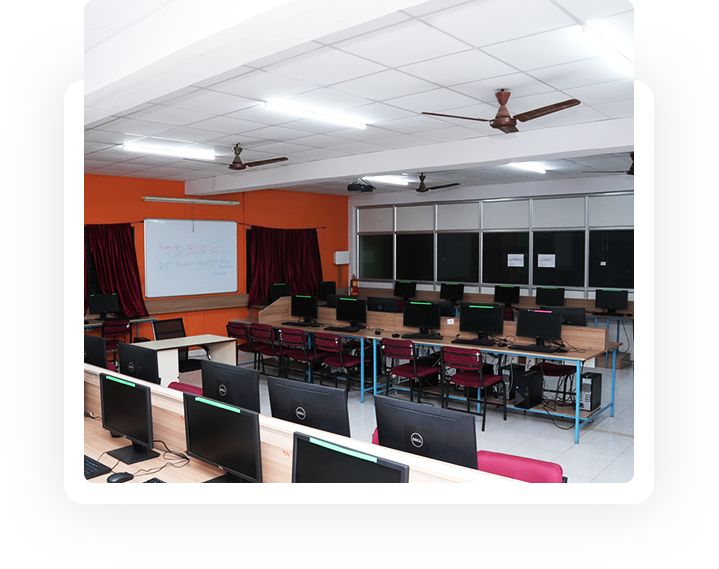
The Department of Computer Science and Engineering is well equipped to cater the needs of classrooms, laboratories, library, and research centers and other facilities.
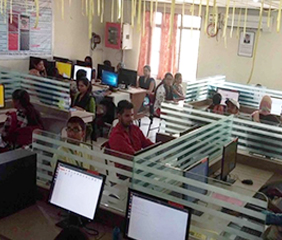
AI/ML Lab: A hands-on space for exploring intelligent systems, focused on algorithms, predictive modeling, and real-world machine learning applications.
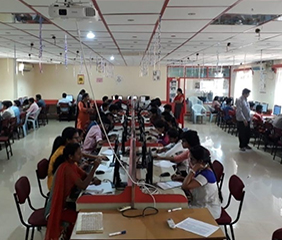
IoT Lab: Enables students to design, prototype, and test smart, connected devices using sensors, microcontrollers, and real-time data.

Cloud Computing Lab: Provides infrastructure and platforms for learning virtualization, cloud deployment, and scalable computing solutions.
Placements Highlights - 2021 - 25

72
Campus Interviews Conducted

9
Programs Available for the Students

46.38L
Highest Package 46.38LPA in Amazon

434
Successful Campus Placements
Our Tap Recuiters







Advisory Board Members
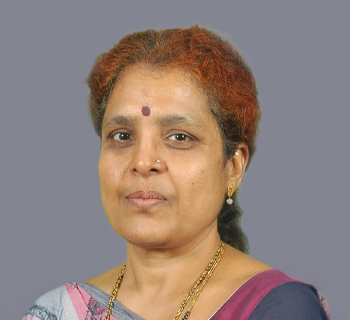
Head of the Department
Dr. Ch. Vijaya Kumar
Professor & HoD of CSE
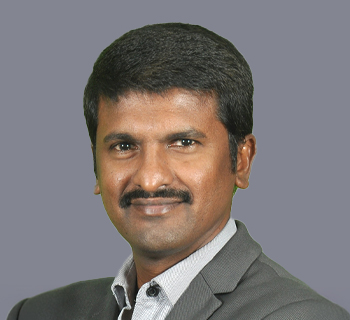
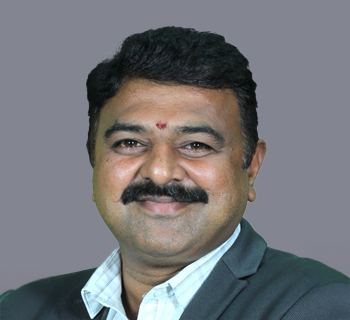
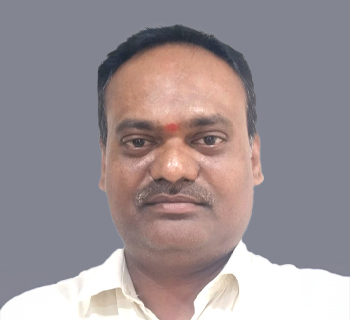
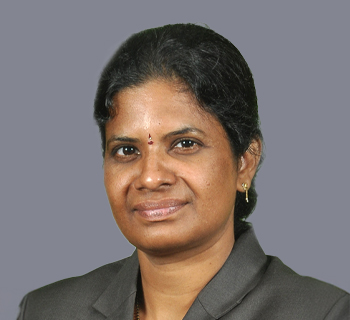
Department Faculty
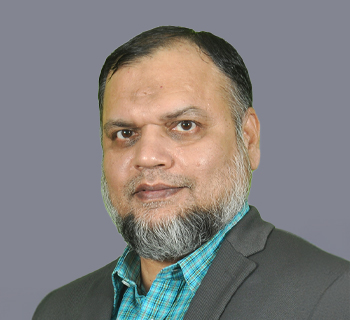
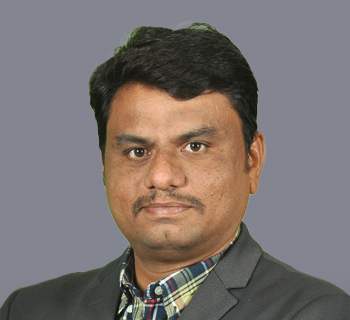
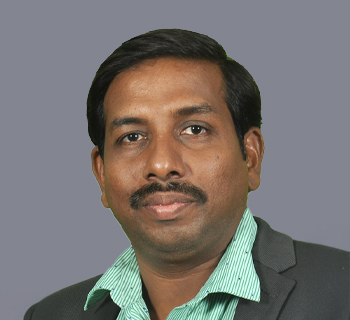
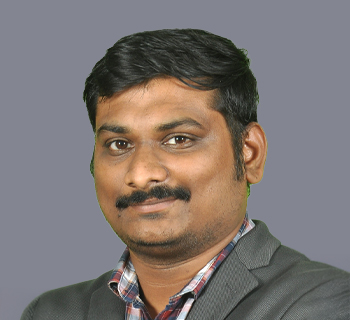
Dr. Khaleel Ur Rahman Khan
Professor & Dean Academics
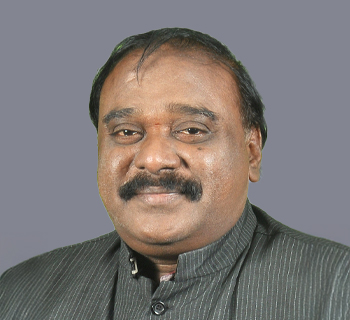
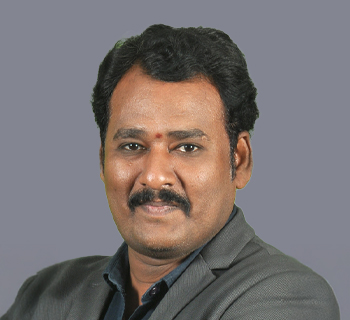
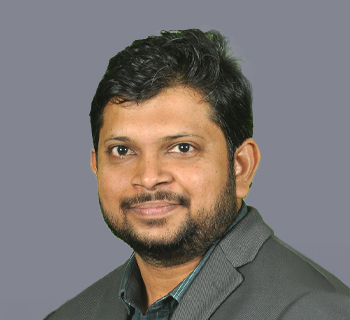
Mr.V.Chandra Sekhar Reddy
Associate Professor
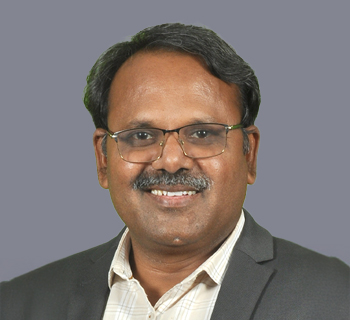
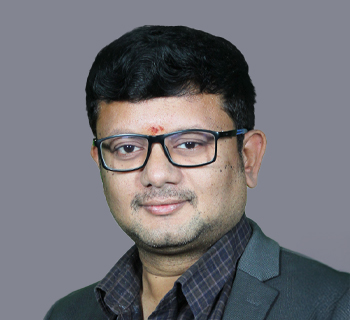
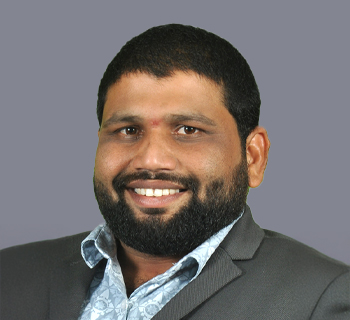
Dr. B. Ranga Swamy
Professor
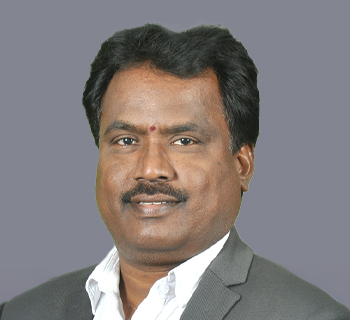
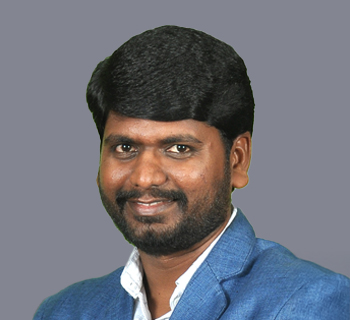
Mr.A.Ramesh
Associate Professor
Dr. V. Ravi Kumar
Professor
Students
Mr.R. Sugandh Reddy
IV CSE
Ms.M. Deepasri
IV CSE
Mr.K. Nagadeep Reddy
IV CSE
Parents
Mr.R. Shyam Sunder Reddy
Business
Mr.M. Suresh Kumar
Manager, SBI
Alumni
Mr. R. Krishna Arun
Network Consulting Engineer, CISCO
Ms. P.Bhavana
Software Development Engineer, Amazon
Professional Bodies Members
Dr D. V. Ramana
Secretary, CSI Hyderabad Chapter
Mohammed Jaffer Pasha
Senior Technical Trainer, TASK, Telangana
Employers
Mr.Phani Kishore
Gnana Astra Solutions pvt ltd
Mr. Venkata Pavan Desireddy
Data & BI leader,
Solutions Architect, University of Arizona, Hyderabad
Roll Of Honour

Suvidha Bandari
H : No : 20AG1A05G9
BATCH : 2020-2024

Tallapragada Veera Venkata Kiranmai
H : No : 19AG1A05B2
BATCH : 2019-2023

Nakkala Jyothi
H : No : 18AG1A0598
BATCH : 2018-2022

Lenkalapally Vaishnitha
H : No : 17AG1A0561
BATCH : 2017-2021

G. Naimisha
H : No : 16AG1A0520
BATCH : 2016-2020

T. Venkata Aditya
H : No : 15AG1A0532
BATCH : 2015-2019

A. Swetha
H : No : 14AG1A0505
BATCH : 2014-2018

K. Tejasri Reddy
H : No : 13AG1A0541
BATCH : 2013-2017

B. Shivani
H : No : 12AG1A05180
BATCH : 2012-2016

A. U. Sruthi
H : No : 11AG1A0503
BATCH : 2011-2015

C. Manogna
H : No : 10AG1A0523
BATCH : 2010-2014

K Anusha
H : No : 09AG1A0527
BATCH : 2009-2013

Sakilam Vidya
H : No : 08AG1A0547
BATCH : 2008-2012

P.Sri Harsha Kiran
H : No : 07AG1A0539
BATCH : 2007-2011
Events & Activities
No upcoming events found.
Frequently Asked Questions
Wondering what to expect from your chosen branch of engineering? Explore these FAQs to learn more about academics, labs, placements, and beyond.
What programming languages are taught in the CSE program?
Students learn multiple languages including C, C++, Java, Python, and exposure to frameworks like Node.js, Django, and tools for full-stack development.
Are there specialised tracks in areas like AI, ML, or Data Science?
Yes, students can take elective courses and certifications in AI, ML, Data Science, and Web Technologies, alongside core computer science subjects.
Does the department support student projects and hackathons?
Absolutely. The department encourages participation in internal and external hackathons, and supports innovation through dedicated labs and mentorship.
What kind of companies recruit CSE students from ACE?
Top recruiters include IT services, product-based companies, and startups hiring for roles in software development, data analytics, and cloud engineering.
Are internships mandatory for CSE students?
While not mandatory, internships are strongly encouraged. The college offers placement training and connects students with summer internship opportunities.